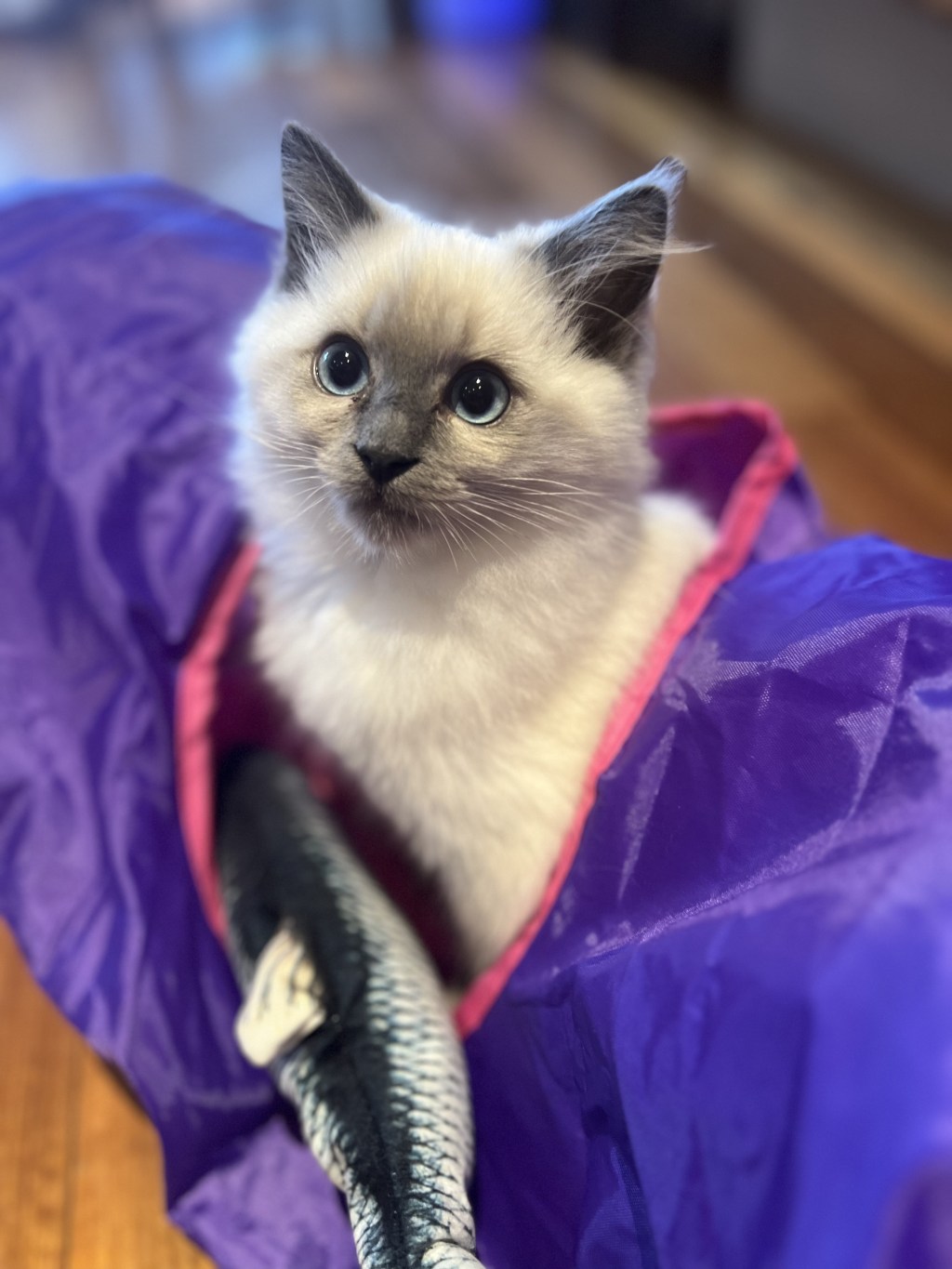
All eyes on me!
Source: vaclavzavada
Ragdolls are huge attention seekers who love spending time with their families. Unlike Russian Blues and other independent cats, the floppy cats don’t do well on their own.
Ragdoll isn’t a mouser breed, so they’re best kept as indoor cats. The overly friendly felines are too trusting for the mean streets, which makes them easy targets. If you let your Ragdoll outside, they’re likely to get into an accident or get bullied by other animals. To be on the safe side, the gullible cats should stay at home, under the watchful eye of their humans.
A Ragdoll will follow you around the house and jump in your lap the first chance they get. They hate being left alone for more than a few hours during the day, so adopting a Ragdoll cat isn’t for you if you have a busy schedule.
The friendly felines thrive in a safe familial environment with a steady routine. In short, looking after a Ragdoll cat involves daily playing sessions, socialising, and lots of tender loving care.
Caring for a Ragdoll is some work and all play!
Playtime is an important part of caring for a Ragdoll cat. Besides providing entertainment, playing games also strengthens the bond between the kitty and their human.
Ragdolls have advanced social intelligence, which makes them excellent playmates. They are known for outstanding communicational skills that allow them to pick up on new tricks with ease. This breed can respond to basic voice commands with the eagerness of a Border Collie, so they excel at interactive games, like playing fetch.
If you have kids, make sure to show them how to play with the cat properly. Ragdolls are so mellow and sweet that they most likely won’t protest rough handling, which can result in injury.
Young children lack the awareness to treat animals with the respect and tenderness they deserve, so you need to enforce boundaries from the beginning. Take the time to teach your kids how to look after a Ragdoll cat from day one.
Don’t rush the brushing—stick to the schedule
Purebred Ragdolls have medium to long fur that requires weekly grooming sessions. This feline’s gorgeous mane is soft and silky, so it’s not prone to matting. Ragdolls don’t have a thick undercoat like Maine Coons or Persians, which makes their upkeep much easier.
Ragdoll kittens are born without a coat and slowly fluff up over time. It takes around four years for the feline’s fur to reach its full volume. Despite the lack of hair, grooming should start early on, so the kitty can get used to the sensation (although the cuddly cat will probably cherish the experience).
Looking after a Ragdoll cat’s fur also lets you do a quick check-up, i.e. look for lesions, flea bites, or other skin problems, and spend quality time with your pet! That’s why you should brush or comb your Ragdoll cat at least once or twice per week.
Here are a few tips on how to care for a Ragdoll cat’s fur properly:
- Get a slicker brush or any tool with softer bristles. Don’t use stainless steel combs because they might scratch your cat’s skin
- Brush the areas with longer fur first, like the belly or the legs, and move upwards
- Use upward movements to avoid tangling
- Remove the remaining loose hairs with a soft rubber brush
During spring and summer, Ragdolls may shed more to lose the thick winter coats. You might need to increase the brushing in that period.
When is it bath o’clock?
Since they don’t roam the gardens hunting for mice, Ragdolls are cleaner than most outdoor cats. The gentle giants typically don’t have to be bathed more than once per month.
The process may be unpleasant for the feline because they’re not keen on water, unlike Maine Coons. Like most cats, Ragdolls should be washed from time to time, starting in kittenhood to grow accustomed to the experience.
Here’s a breakdown of the process:
- Remove any loose hair or dirt with a brush before the bath
- Make sure the water is lukewarm. You can use your sink or a plastic container for the bath
- Don’t use your shampoo or conditioner on your cat. Buy products that were designed for the specific breed since Ragdolls have a unique fur
- Apply the soap or shampoo everywhere except the head. Use a damp towel for the face instead
- Rinse the shampoo by slowly pouring lukewarm water over the soapy spots. Cover the Ragdoll’s eyes and ears to keep the water out. Make sure to rinse out all traces of the product
- Dry the cat with a towel or use a blowdryer if the noise doesn’t scare them
Annual check-ups are part of the package
Frequent visits to the vet are an important step for Ragdoll cat maintenance. Although they’re a sturdy breed, floppy cats are prone to specific conditions, such as:
- Hypertrophic cardiomyopathy (HCM)—Hypertrophic cardiomyopathy is an inherited condition where the feline’s heart muscles thicken over time, increasing the likelihood of thromboembolism and heart failure. The disease can be diagnosed with echocardiography—a non-invasive test that uses sounds to create pictures of the heart
- Polycystic kidney disease (PKD)—Some Ragdolls are born with an abnormal gene that causes polycystic kidney disease (PKD). The cysts are present from birth and tend to enlarge over time. PKD can be tricky to diagnose, requiring a series of tests, like blood and urine analysis, ultrasounds, and genetic testing
- Urinary tract disease—Ragdolls have an incidence of urinary tract disease, including inflammations, infections, bladder stones, and kidney failure. The older the cat, the higher the risk of urinary problems, although poor nutrition can also contribute to it
- Excessive hairballs—Because their hair is medium to long, Ragdolls can sometimes struggle with irritating hairballs. The ingested hair collects in the stomach, creating a furball. The larger the clump, the more likely it is to cause digestive problems, like constipation, abdominal bloating, diarrhoea, or vomiting
- Weight issues—Ragdolls weigh more than the average cat, but that isn’t necessarily an issue. Problems arise if they start gaining weight uncontrollably due to poor diet and lack of exercise. Feline obesity is often accompanied by complications, including heart disease, hypertension, diabetes, and similar acquired conditions.
https://www.untamedcatfood.com/blogs/cat-breeds/caring-for-a-ragdoll-cat
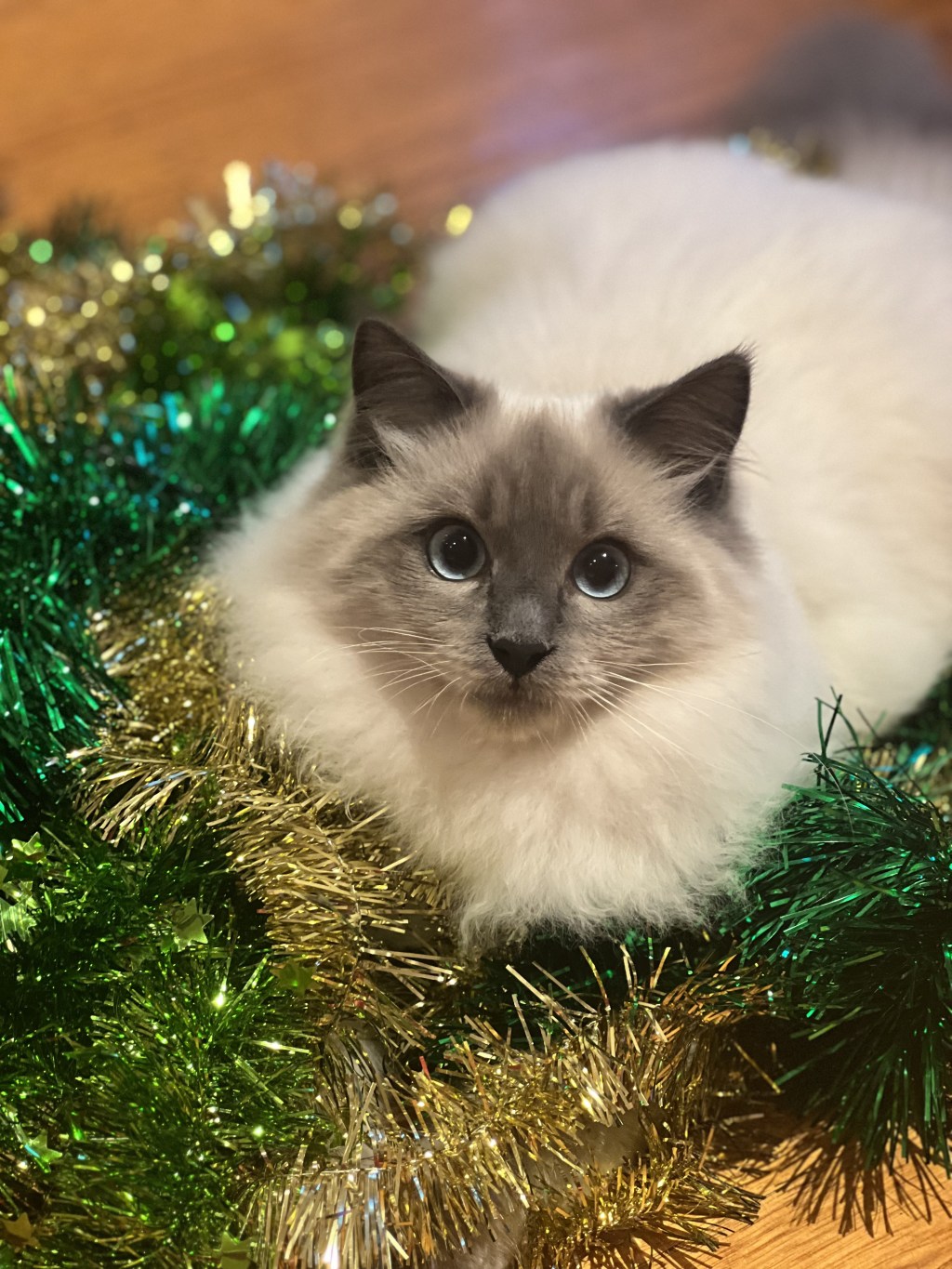
 Mali & Tobias